Creational Patterns
In software engineering, creational design patterns are a set of design patterns that deal with object creation mechanisms, trying to create objects in a manner that is suitable for a particular situation. These patterns provide flexibility in creating objects and encapsulate the knowledge about the classes and objects required by the system. In this markdown file, we will explore some commonly used creational design patterns.
1. Factory Method Pattern

The Factory Method pattern defines an interface for creating objects, but lets subclasses decide which class to instantiate. It provides a way to delegate the object creation logic to subclasses, making the code more extensible and maintainable.
2. Abstract Factory Pattern

The Abstract Factory pattern provides an interface for creating families of related or dependent objects without specifying their concrete classes. It allows the client code to work with objects without having to know their specific types, promoting loose coupling between the client and the created objects.
3. Builder Pattern
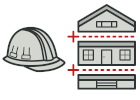
The Builder pattern separates the construction of complex objects from their representation, allowing the same construction process to create different representations. It provides a step-by-step approach to object construction and allows the flexibility to vary the internal representation of objects.
4. Prototype Pattern
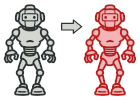
The Prototype pattern creates new objects by cloning existing ones, thus avoiding the need for subclassing. It provides a way to create objects based on existing instances, making the process more efficient and flexible.
5. Singleton Pattern

The Singleton pattern ensures that a class has only one instance, providing a global point of access to it. This pattern is useful when you want to limit the number of instances of a class, such as in a database connection or logging system.